Ask a Cosmetic Dentist: Can Teeth Whitening Make My Teeth More Sensitive?
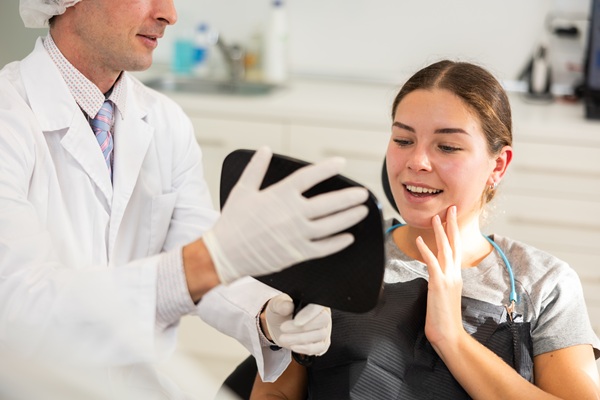
A cosmetic dentist often hears concerns about whitening discomfort and can explain why sensitivity sometimes increases during treatment. Whitening products lift stains by allowing active ingredients to move through enamel, which can temporarily irritate the tooth's inner structures. Understanding what causes sensitivity and how to reduce it helps patients pursue a brighter smile more comfortably.
Why teeth whitening can trigger sensitivity
Whitening gels commonly use peroxide-based ingredients that penetrate enamel and break down stain molecules. As these ingredients move through the tooth, they can reach the softer dentin layer and stimulate the nerve, leading to short-lived "zings" or aching sensations. Sensitivity often becomes more noticeable with higher-concentration products, longer wear times, or frequent applications. Teeth with worn enamel, exposed roots, or gum recession also tend to react more strongly.
Sensitivity also increases when underlying oral health issues are present. Small cracks, untreated cavities, and leaking fillings can create pathways that amplify nerve stimulation during whitening. A cosmetic dentist evaluates the teeth and gums before recommending whitening so they can address pertinent issues first. This step helps reduce discomfort and supports a safer, more predictable outcome.
Who is more likely to feel sensitivity during whitening?
Some patients are more prone to sensitivity even with a careful approach. Gum recession exposes root surfaces that lack the protective enamel of the tooth crown, making the nerves more susceptible to irritation. Likewise, enamel thinning from aggressive brushing, acidic diets, or grinding also increases the risk. Certain dental conditions, including dry mouth and inflammation around the gums, can contribute as well.
Additionally, the cosmetic dentist considers recent dental work and existing restorations. Whitening does not change the color of restorations, like fillings or crowns, and an uneven shade match can create new cosmetic concerns. When the dentist can identify risks early, they can tailor the whitening plan for better comfort.
How a cosmetic dentist helps minimize whitening sensitivity
A cosmetic dentist can recommend whitening methods that prioritize control and gradual change. For example, lower-strength gels, shorter sessions, and spaced-out applications often reduce nerve irritation without eliminating results. Many patients benefit from using desensitizing toothpaste for at least one to two weeks before whitening begins. Further, fluoride treatments or dentist-recommended gels can also help strengthen enamel and reduce sensitivity.
For take-home kits, tray fit and product placement matter as well. Poorly fitting over-the-counter trays can push gel onto the gums, increasing irritation that may feel like sensitivity. A dentist-guided approach supports better containment and more uniform exposure, as they can provide custom-fitted trays. If sensitivity appears, the dentist can adjust the plan by reducing wear time, pausing briefly, or switching to a gentler formulation.
Schedule a consultation
Teeth whitening can make teeth more sensitive for some patients, especially when the enamel is thin, the roots are exposed, or underlying dental issues are present. With careful evaluation and an individualized plan, a cosmetic dentist helps patients reduce sensitivity while still pursuing a brighter smile. If you have any further questions about professional whitening, contact Dental Partners South Knoxville to schedule an appointment.
Request an appointment here: https://knoxvilledentalpartners.com or call Dental Partners South Knoxville at (865) 622-2381 for an appointment in our Knoxville office.
Check out what others are saying about our dental services on Yelp: Cosmetic Dentist in Knoxville, TN.
Related Posts
A successful smile makeover can transform how you look and address lingering issues that you may be self-conscious about. Whether you do not like the shade of your teeth or think that the gaps between your teeth are too large, cosmetic dentistry can offer smile makeover services tailored to your goals.Since smile makeovers are unique…
If you have a damaged tooth, perhaps due to trauma or infection, the dentist will work with you to choose the proper smile makeover plan to adjust your smile. The goal is to restore the function of the teeth while making them cosmetically appealing. The treatment strategy will meet your specific needs and achieve the…
A dental bridge replaces one or more missing teeth by anchoring a lifelike “pontic” to neighboring teeth or implants. This fixed option restores chewing, speech clarity, and a natural-looking smile line. By filling the space, a dental bridge helps prevent drifting teeth, changes in bite, and excessive wear on remaining enamel. The material, whether porcelain…
When a sports-related collision or fall occurs, an emergency dentist helps protect teeth, gums, and the jawbone from lasting harm. Dental trauma often looks minor at first, yet hidden cracks or nerve injuries may develop quickly. Acting fast supports comfort now and better outcomes later. Knowing what first steps to take can make all the…